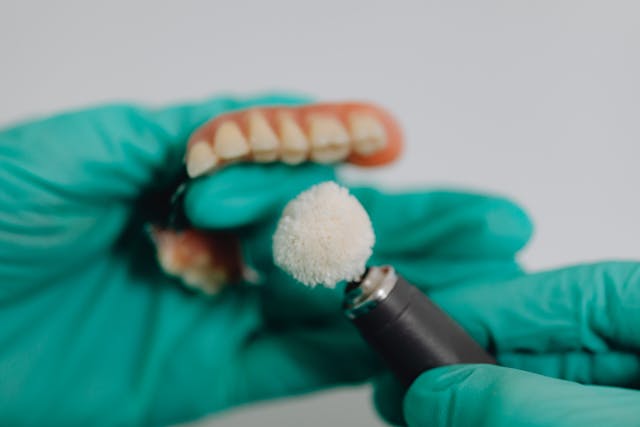
Dental implant surgery is a popular dental procedure that involves placing artificial tooth roots into the jawbone to replace missing teeth. It is an effective, durable and natural looking solution to tooth loss. Once the procedure and healing process are complete, dental implants enable you to smile and chew as normal, providing you take good care of them. To ensure you get the best results from this treatment here are some tips on looking after teeth implants both immediately after the procedure and in the long term.
Looking After Teeth Implants Immediately After Surgery
The most important thing to remember post-surgery, is to follow the advice given by your dental implant surgeon. Treatments and outcomes will differ from patient to patient, so it is best to always adhere to the instructions your dentist provides on aftercare.
In order to help you prepare for your implant surgery, and to give you an idea of the aftercare routine you will need to follow post procedure, here are some general tips on looking after teeth implants immediately after surgery:
- Pain is different for everyone, but if you experience discomfort or pain following surgery it is advisable to take over the counter painkillers, such as paracetamol or ibuprofen, for the first 48 hours after treatment.
- If you experience swelling or bruising on your face you can use an ice pack on the area for 10 minutes each hour, for the first 6 hours after surgery.
- You should avoid drinking hot liquids for at least 24 hours after your surgery.
- You should try not to do anything too strenuous for the first couple of days after your implant surgery.
- It is best if you can avoid drinking alcohol and smoking for at least two weeks after surgery, as they can slow down the healing process.
- You will need to avoid wearing any dentures if they cover the affected area.
- You should avoid drinking through a straw or sucking anything like a vape.
- You can expect some bleeding in the first 24 hours after implant surgery, so use gauze or a clean handkerchief over the wound to help stop the bleeding. You can do this for up to 30 minutes.
- You will need to eat soft foods for at least the first week after surgery and avoid chewing near the surgical site.
- You will also need to avoid brushing the area around your implant for one week after surgery. You should use a mouthwash that contains chlorhexidine twice a day, during this time, to remove plaque and bacteria from the area where you cannot brush.
If you are at all worried about the way your implants are healing, or you experience any issues such as bleeding that won’t stop, or pain and swelling more than ten days post-surgery, you should get in touch with your dentist or go to your nearest emergency department.
Long Term Dental Implant Care
Teeth implants have to fuse with the jawbone before permanent teeth can be fitted on top. This can take around three to nine months, but very much depends upon the individual. During this time, you should attend regular appointments with your implant dentist to ensure that the area is healing properly.
Once permanent teeth are fitted to the top of your implants, they should last a lifetime, provided you take good care of them. Here are a few tips to follow to help ensure the longevity of your teeth implants:
- Brush your teeth for two minutes, twice daily, using an electric toothbrush or soft toothbrush.
- Use dental floss, tape or interdental brushes once a day to remove debris from between the teeth.
- Change your toothbrush regularly – every 3 to 4 months, or sooner if the bristles look worn down or frayed.
- Avoid smoking. If you are a smoker at the time of booking your implant surgery, your dentist will advise you to give up ahead of the procedure, as this will give your implants the best chance of success.
- Attend regular dental check-ups and hygiene appointments – every 6 months or as advised by your dentist.
Teeth Implants Basingstoke
If you are looking for further advice on dental implants, you can visit the Dentalia website. Dentalia is a dental practice offering high quality dental expertise in areas such as dentures and teeth implants in Basingstoke. More information about these treatments can be found on their website or by calling the practice. For further general information about dental implants, you can search online for advice from reputable sources.